Showing posts with label Breeds. Show all posts

Saturday, September 28, 2013

Designer breeds, mixed breeds

Thursday, September 26, 2013

HowStuffWorks "Top 10 Hunting-dog Breeds"


Top 10 Hunting-dog Breeds


Not only are dogs man’s best friend, they also make excellent hunting partners. Dogs have been assisting humans in the hunt since ancient times, when the Egyptians used greyhounds to track down gazelles [source: Encyclopedia Britannica]. Since then, scores of canines — from the uniquely shaped dachshund to the graceful vizsla — have been bred to sniff out and track down prey so skillfully that going home empty-handed seems impossible.


A hunting dog’s desirability depends a lot on the size of the dog, how well it’s been trained, the target prey, the type of terrain you’ll be hunting and whether you want your best bud to merely point to the target or to bring it back to you. The 10 hunting dogs in this article consistently stand out from the pack.


10


Dachshund


Sizes Explained


The American Kennel Club has five categories of dog breed size: toy (2 to 9 pounds/0.9 to 4 kilograms); small (7 to 35 pounds/3.1 to 15.8 kilograms); medium (35 to 65 pounds/15.8 to 29.3 kilograms); large (55 to 85 pounds/24.8 to 38.3 kilograms); and giant (75 to 120+ pounds/33.8 to 54+ kilograms) [source:Pet Place].


The dachshund is the rare breed that, because of its small size, is good for both hunting and urban living. Standing 5 to 9 inches (13 to 23 centimeters) in height and weighing anywhere from about 16 to 30 or so pounds (7 to 14 kilograms), these long low dogs use their powerful legs to track down a variety of smaller game. The breed can be traced back to 17th-century Europe where dachshunds were used for hunting small game like badger — dachs is the German word for badger — fox and rabbit [sources: Iams, Dog Breed Info Center].


There are three varieties of dachshund: smooth, wirehaired and longhaired. In addition to their size and strength, these canines often display certain valuable terrier characteristics (courage and tenacity, in particular). While many owners buy dachshunds as companion dogs these days, the breed’s size and fearless nature also make them an asset in the field [sources: AKC, Iams, Dog Breed Info Center].


9


Fox Terrier


These lively but small dogs — 12 to 15 inches (30 to 38 centimeters), 15 to 19 pounds (7 to 9 kilograms) — are more difficult to find than many of the popular hunting breeds, but their short, powerful frames suit them for fox hunting [source: Iams]. A muscular canine with a thick neck and strong back, the fox terrier originated in 17th-century England and was bred to chase foxes out of their dens and other hiding places. Their small bodies allow them to get into cramped spaces, and their long legs allow them to keep pace with fox hounds.


In 1984, the American Kennel Club distinguished two breeds of fox terrier: smooth and wirehaired. The most notable difference between the two breads is the coat. The wirehaired fox terrier is named for its wiry coat of dense and twisted hairs [source: Dog Breed Info Center].


8


Spanish Water Dog


Bird Hunting Terminology 101


If you’re new to bird hunting, there are a few distinctions you should understand before selecting a canine companion. Pointing dogs freeze to indicate the presence of birds in the area. Flushing dogs runs toward a flock of birds to rouse them into the air for shooting; once the bird is shot, retrieving dogs pick up the animal and bring it to the handler [source: Outdoor Site Library].


Some researchers believe that this dog is the genetic base for a number of hunting breeds, including spaniels and the Portuguese water dog. Highly intelligent, agile and easy to train, the Spanish water dog is a medium-sized canine that’s well equipped for flushing and retrieving water fowl and game. Its dense wool, however, makes the breed better suited for water activities than hunting in the brush, where it’s much more likely to get tangled [source: Dog Breed Info Center].


Spanish water dogs have been employed as sheep and goat herders in Spain’s Andalucía region for centuries. One of many theories of the breed’s origin is that Turkish merchants brought the dog to southern Spain to herd livestock as they moved throughout the Mediterranean. Spanish water dogs are also used for search and rescue missions, as well as bomb and narcotics detection. In recent years, they’ve become popular show dogs [source: Spanish Water Dog Club].


7


English Beagle


These small- to medium-sized, sturdy hounds are natural trackers known for letting out a distinct, shrieking howl when on the hunt. It’s believed that English beagles originated as across between the harrier and other types of English hounds, bred for tracking (alone, in pairs or in packs) small animals like rabbit, quail and pheasant [source: Iams].


Beagles’ natural hunting instincts and boundless energy make them great on the trail, but also a potential terror to other household pets. Given the breed’s predilection for tracking — following its nose — and often stubborn nature, beagles require firm training [source: Dog Breed Info Center].


6


English Springer Spaniel


Spaniels may not obviously to come to mind when speaking of hunting dogs, but the English springer spaniel showcases all the desirable qualities for a top hunting breed. Considered gundogs or bird dogs, these medium-sized canines get their name from their talent for flushing, or springing, birds out of hiding for their masters to shoot.


While smaller than typical gundogs — 40 to 50 pounds (18 to 23 kilograms) and about 20 inches (51 centimeters) tall — what spaniels lack in size they make up for in spunk. Their strong legs and high energy level make them ideal for long days on the hunt, and their coat, a dense, short undercoat covered by a long top coat, can effectively withstand a variety of weather and climate conditions.


Though they were bred primarily to flush game, the springer spaniel’s gentle mouth grip is also well suited for retrieving without inflicting damage. These qualities, combined with an eager-to-please attitude and trainability, make this versatile hunting dog a preferred companion for many outdoor enthusiasts.


5


Brittany


Walk Hard, Walk Smart


Many hunting breeds are very active by nature and, as a result, should be walked vigorously every day. Yet it isn’t just the length and time of these walks that’s important. The handler must establish his role as the pack leader, which will help make the dog more attentive and less likely to roam [source: Dog Breed Info Center].


The Brittany is a long-legged, medium-sized — 17 to 20 inches (43 to 51 centimeters) and 30 to 40 pounds (14 to 18 kilograms) — dog known for its smarts, stamina and willingness to be trained to hunt. Named for the French province in which it is believed to have originated, this popular bird hunting breed has been used for both pointing and retrieving quail, woodcock, pheasant and grouse since 1894 [source: Iams].


These canines are prized for a hearty ability to adapt to conditions on a variety of terrain, such as woods, plains and hills. Curious dogs, they have a tendency to roam but remain popular due to their size, ability and general good nature [source: Iams].


4


Coonhound


Nose to the ground and intent on tracking its prey, the coonhound is another dog that makes a hunter’s job easier. This breed relies on scent rather than sight to locate prey, hounds generally go after small mammals like raccoons (from which they get their name) or opossums, chasing the animals up trees and barking until their owner arrives. Approximately 2 feet high (0.6 meters)at the shoulder and blessed with plenty of courage, they’re also helpful in hunting large game like deer.


Coonhounds likely originated from breeding two excellent trackers (bloodhounds and foxhounds) together, combining a keen sense of smell with increased speed and stamina. The dog’s dense coat also allows the coonhound to tolerate a range of weather conditions, equally adaptable to heat and cold. Their courage and loyalty are immortalized in the beloved children’s book “Where the Red Fern Grows,” and the coonhound’s reputation as a warrior of the hunt is so valued that the American Kennel Club’s judging regulations advise that “scars from honorable wounds shall not be considered faults” in evaluating the breed for show [source: AKC].


3


English Setter


English setters, originally trained as elite bird dogs in the United Kingdom, combine the best qualities of spaniels and pointers. After silently tracking down prey with their excellent sense of smell, setters crouch down and wait for the hunter’s approach rather than flushing the birds out of hiding.


Like all good hunting dogs, English setters can be trained easily and have lots of energy. Their well-muscled legs carry them quickly and effortlessly across the terrain, and they don’t tire easily. Hunting is the perfect way to entertain their enthusiasm and intelligence; without it, the dogs need another comparable outlet such as frequent walks or playtime spent in a large, fenced yard.


The medium-sized English setters, as well as the closely related Gordon and Irish varieties, are always well-represented at a number of hunting field trials.


2


German Shorthaired Pointer


Known for their versatility in the field, German shorthaired pointers work equally well on land and in water. While they’re best known as bird dogs, they make skilled trackers of land mammals like raccoons, opossum and deer. Highly intelligent, the pointers are also obedient and easy to train.


Ranging in size from 55 to 70 pounds (25 to 32 kilograms)and 23 to 25 inches (58 to 64 centimeters)tall at the shoulder, the pointer’s athleticism is apparent as it bounds far ahead of the hunter to locate prey. Considered to have the best scenting ability of all the bird dogs, the German shorthaired pointer is another breed that doesn’t flush, but freezes and points — hence its name — to tracked prey.


It should come as no surprise that the dog’s likely origin comes from crossing some of the best hunting dogs, including the Spanish pointer, German scent hounds and other track and trail dogs.


1


Labrador Retriever


Like the pointer, the aptly named Labrador retriever is a well-rounded hunting companion. Perhaps Labradors are best known as water dogs because of their moisture-repellent coats and weblike feet that propel them easily through water to fetch prey. Retrievers are also equipped with a high level of intelligence and good temperament, which make them ideal for training. These qualities serve as part of the reason that Labradors, as well as golden retrievers, are consistently ranked as the most popular breeds in the United States [source: AKC].


Like spaniels, retrievers’ mouths also have a gentle grip that lets them retrieve prey without damaging it. Their willingness to please lends them well to tasks other than retrieving. Labradors also make good trackers and pointers, and they quickly adapt to a wide range of environments.


With a sturdy build and weighing about 55 to 75 pounds (25 to 34 kilograms), Labradors are true utilitarian dogs, equally at ease gathering quail as they are fetching fallen ducks from an icy pond. Their well-roundedness makes them quality hunting dogs in any season.


Lots More Information


5 Tips for Outfitting a Canoe for Fishing


For years, people have been discovering the beauty and simplicity of canoe fishing. What’s the best way to outfit your canoe without overdoing it — or capsizing? Read more »


Sources


  • American Kennel Club (AKC). “AKC Dog Registration Statistics.” (Nov. 17, 2008) http://www.akc.org/reg/dogreg_stats.cfm

  • American Kennel Club (AKC). “Breeds.” (Nov. 12, 2008) http://www.akc.org/breeds/index.cfm?nav_area=breeds

  • Animal Planet. “All About Dog Breeds.” (Nov. 12, 2008) http://animal.discovery.com/guides/dogs/choosing-a-dog/choosing.html

  • Bentley, Cliff. “Searching For The Bell That’s Stopped.” Gun Dog. (Nov. 12, 2008) http://www.gundogmag.com/gundog_breeds/GD_searchingforthe_200807/index. html

  • Carty, Dave. “Fact or Fiction.” Petersen’s Hunting. (Nov. 12, 2008) http://www.huntingmag.com/small_game/huntdog_032907/index.html

  • Dog Breed Info Center. “Beagle.” (Dec. 14, 2011) http://www.dogbreedinfo.com/beagle.htm

  • Dog Breed Info Center. “Brittany.” (Dec. 14, 2011) http://www.dogbreedinfo.com/brittany.htm

  • Dog Breed Info Center. “Dachshund.” (Dec. 14, 2011) http://www.dogbreedinfo.com/dachshund.htm

  • Dog Breed Info Center. “Smooth Fox Terrier.” (Dec. 14, 2011) http://www.dogbreedinfo.com/smoothfoxterrier.htm

  • Dog Breed Info Center. “Spanish Water Dog.” (Dec. 14, 2011) http://www.dogbreedinfo.com/spanishwaterdog.htm

  • Encyclopedia Britannica. “Hunting.” 2008. (Nov. 13, 2008) http://www.britannica.com/EBchecked/topic/277043/hunting

  • Gribb, John. “The Greatest Upland Hunting Dog of All?” Game & Fish. (Nov. 12, 2008) http://www.gameandfishmag.com/hunting/hunting-dogs/RA_0605_03/index.html

  • Hawkins, Kirsten. “Choosing A Good Hunting Dog.” Bird Dogs of America. (Nov. 12, 2008) http://www.swampdogg.com/Choosing_Hunting_Dog.asp

  • The Hunting Dog. Breeds of Dogs With Lots Of Versatility.” (Nov. 12, 2008) http://www.the-hunting-dog.com/breeds-of-dogs.html

  • Iams. “Beagle.” 2000. (Dec. 14, 2011) http://www.iams.com/pet-health/dog-breeds/beagle

  • Iams. “Brittany.” 2000. (Dec. 14, 2011) http://www.iams.com/pet-health/dog-breeds/brittany

  • Iams. “Dachshund.” 2008. (Dec. 14, 2011) http://www.iams.com/pet-health/dog-breeds/dachshund

  • Iams. “Smooth Fox Terrier.” 2000 (Dec. 14, 2011) http://www.iams.com/pet-health/dog-breeds/smooth-fox-terrier

  • Love to Know Corp. “Best Hunting Dogs.” (Nov. 12, 2008) http://best.lovetoknow.com/Best_Hunting_Dogs

  • Mckane, Frank. “Are You Ready For A Hunting Dog?” Game & Fish. June 2007. (Nov. 12, 2008) http://www.gameandfishmag.com/hunting/hunting-dogs/RA_0607_02/index.html

  • Outdoor Site Library. “Hunting Terminology.” (Dec. 14, 2005) http://www.basspro.com/webapp/wcs/stores/servlet/CFPage?mode=terms&cat=Hunting&storeId=10151&catalogId=10001&langId=-1

  • Pet Place. “AKC Breeds by Size.” (Dec. 16, 2011) http://www.petplace.com/dogs/akc-breeds-by-size/page1.aspx

  • Routh, Dusty. “Hunting for Pup’s First Pheasant.” Game & Fish. (Nov. 12, 2008) http://www.gameandfishmag.com/hunting/pheasant-hunting/gf_aa116104a/

  • Spanish Water Dog Club. “Hunting.” (Dec. 14, 2011) http://www.swdclub.org/index.php?page=hunting

  • Thoms, Jerry. “Today’s English Springer Spaniel.” Gun Dog. (Nov. 12, 2008) http://www.gundogmag.com/gundog_breeds/gd_todayspaniel_200804/index.html

  • Ultimate Hunts. “Bird Dog Breeds.” (Nov. 12, 2008) http://www.dovehunt.com/bird_dog_breeds.htm

  • United Blood Trackers. “United Blood Trackers.” (Dec. 14, 2011) http://www.unitedbloodtrackers.org


‘); $ (‘.sourcesBullet’).before(”); $ (‘.sourcesList’).after(”); } else { $ (‘#UpNext’).after(”); } if ($ (‘#AuthorsNote’).length > 0) { $ (‘#AuthorsNote’).before(”); $ (‘#SourcesDivider1′).css(‘margin-top’, ’20px’); } if ($ (‘#OtherArticles’).length > 0) { var otherArticles = $ (‘#OtherArticles’)[0].outerHTML; $ (‘#OtherArticles’).next(‘ul’).addClass(‘otherArticlesList’); otherArticles += $ (‘.otherArticlesList’)[0].outerHTML; $ (‘#OtherArticles’).remove(); $ (‘.otherArticlesList’).remove(); $ (‘#SourcesDivider2′).after(‘


‘ + otherArticles + ‘


‘); } if ($ (‘#MoreLinks’).length > 0) { var moreLinks = $ (‘#MoreLinks’)[0].outerHTML; $ (‘#MoreLinks’).next(‘ul’).addClass(‘moreLinksList’); moreLinks += $ (‘.moreLinksList’)[0].outerHTML; $ (‘#MoreLinks’).remove(); $ (‘.moreLinksList’).remove(); $ (‘#OtherArticles0′).after(‘


‘ + moreLinks + ‘


‘); } $ (‘#Sources, .sourcesBullet’).click(function() { $ (‘.sourcesList’).toggle(‘slow’, function() { }); if ($ (‘.sourcesBullet’).hasClass(‘sourcesBulletClosed’)) { $ (‘.sourcesBullet’).removeClass(‘sourcesBulletClosed’).addClass(‘sourcesBulletOpen’); $ (‘.sourcesBullet’).html(‘-’); } else { $ (‘.sourcesBullet’).removeClass(‘sourcesBulletOpen’).addClass(‘sourcesBulletClosed’); $ (‘.sourcesBullet’).html(‘+’); } //remove height on #SlidesContainer so it can expand $ (‘#SlidesContainer’).css(‘height’, ‘auto’); }); $ (‘.paginationIcons li’).hover(function() { var page =$ (‘.paginationIcons li’).index(this); $ (‘#pageOverlay’+page).css(‘display’,"block’); $ (‘#overlayText’+page).vAlign($ (‘#overlayText’+page).height()); }, function() { var page =$ (‘.paginationIcons li’).index(this); $ (‘#pageOverlay’+page).css(‘display’,"none’); }); //prev/next onClick omniture $ (“.nextControl”).click(function(e) { if ($ (‘.nextControl’).hasClass(‘upNext’)) { omniVars = ‘&c25=’ + templateType + ‘ : Up Next Link : Top&v39=’ + templateType + ‘ : Up Next Link : Top’; sendTags(‘Up Next Link : Top’, omniVars, {}, e, null, pageNum); return false; } else { sendPrevNextOmniture(e, ‘Next’, ‘Top’); } }); //prev/next onClick omniture $ (“.prevControl”).click(function(e) { $ (‘.sourcesList’).css(‘display’, ‘none’); $ (‘.sourcesBullet’).removeClass(‘sourcesBulletOpen’).addClass(‘sourcesBulletClosed’); $ (‘.sourcesBullet’).html(‘+’); sendPrevNextOmniture(e, ‘Prev’, ‘Top’); }); //prev/next onClick omniture $ (“.nextControlBottom”).click(function(e) { if ($ (‘.nextControlBottom’).hasClass(‘upNext’)) { omniVars = ‘&c25=’ + templateType + ‘ : Up Next Link : Bottom&v39=’ + templateType + ‘ : Up Next Link : Bottom’; sendTags(templateType + ‘ : Up Next Link : Bottom’, omniVars, {}, e, null, pageNum); return false; } else { sendPrevNextOmniture(e, ‘Next’, ‘Bottom’); } }); //prev/next onClick omniture $ (“.prevControlBottom”).click(function(e) { $ (‘.sourcesList’).css(‘display’, ‘none’); $ (‘.sourcesBullet’).removeClass(‘sourcesBulletOpen’).addClass(‘sourcesBulletClosed’); $ (‘.sourcesBullet’).html(‘+’); sendPrevNextOmniture(e, ‘Prev’, ‘Bottom’); }); $ (“.countdownLink”).click(function(e) { if ($ (‘.countdownLink’).hasClass(‘upNext’)) { omniVars = ‘&c25=’ + templateType + ‘ : Up Next Link : Top&v39=’ + templateType + ‘ : Up Next Link : Top’; sendTags(‘Up Next Link : Top’, omniVars, $ (this), e, null, pageNum); return false; } else { sendPrevNextOmniture(e, ‘Countdown’, ‘Top’); } }); $ (‘.deepLink’).click(function(e) { sendPrevNextOmniture(e, ‘Deep Link’, ‘Bottom’); }); $ (‘#UpNextImage’).click(function(e) { omniVars = ‘&c25=’ + templateType + ‘ : Up Next Link : Image&v39=’ + templateType + ‘ : Up Next Link : Image’; sendTags(‘Up Next Link : Image’, omniVars, $ (this), e, null, pageNum); return false; }); $ (‘#UpNextUrl’).click(function(e) { omniVars = ‘&c25=’ + templateType + ‘ : Up Next Link : Title&v39=’ + templateType + ‘ : Up Next Link : Title’; sendTags(‘Up Next Link : Title’, omniVars, $ (this), e, null, pageNum); return false; }); hashNum = parseHash(); pageNum = (!hashNum) ? pageNum : hashNum; setSlide(pageNum); hashUI(); } });


Top 10 Hunting-dog Breeds


Not only are dogs man’s best friend, they also make excellent hunting partners. Dogs have been assisting humans in the hunt since ancient times, when the Egyptians used greyhounds to track down gazelles [source: Encyclopedia Britannica]. Since then, scores of canines — from the uniquely shaped dachshund to the graceful vizsla — have been bred to sniff out and track down prey so skillfully that going home empty-handed seems impossible.


A hunting dog’s desirability depends a lot on the size of the dog, how well it’s been trained, the target prey, the type of terrain you’ll be hunting and whether you want your best bud to merely point to the target or to bring it back to you. The 10 hunting dogs in this article consistently stand out from the pack.


Tuesday, September 24, 2013

Top 10 Smallest Toy Dog Breeds in the World


Whenever it comes our mind to have any pet animal, the first name that comes to our mind is the dogs. Yes, that’s true. There are many people throughout the world who love to have pet animals and there first preference is surely the dogs. There are various breeds of dogs that are available in the market today. Here we have eased your difficulty by bringing out top ten smallest toy dog breeds in the world.


10. Brussels Griffon


Brussels griffon is a kind of toy dog that is said to be originated in the Belgium. It is also known by the name of Belgium Griffon, named after the country in which this breed of dog got originated. These breed of dogs are generally very small in size and so they are perfect if you want to have a pet animal in your family. These dogs are said to be having huge heart and they generally gets attached to someone very easily and then wants to be with them always. Emotionally Brussels Griffons are very sensitive. They get along with small children very easily. And the best part of this dog is its expressions which are very like humans and is very touching.


9. Toy Fox Terrier


Toy Fox Terrier is a kind of toy breed dog but it can also be used as a working terrier. This breed of animal is quite hardworking. Toy Fox Terrier is originated from Fox Terrier but people consider it as a total different breed of dogs. Toy Fox Terrier got originated in United States. This breed of dog has a muscular body and its appearance is quite athletic. They have large eyes and their ears are of V shaped. Sometimes they are also called as the Tri-Color dogs. Toy Fox Terrier is an intelligent breed of dogs and on proper training they easily to start respond on a number of words. They are also used in circus along with the clowns. The best thing about them is that they are very loyal to their owners.


8. Toy Poodle


Toy Poodle is another breed of toy dog which re extremely popular throughout the world. These dogs are found with many coat colors. It is also said to be a type of water dog. It is reported that Toy Poodle got originated in Germany. The coat which these dogs have is moisture resistance and so it helps them in swimming. Toy Poodle is a very intelligent and sophisticated bred of dogs. Their coat is generally curly and is very dense. Their eyes are oval in shape and are dark in color. The color of their coat is generally varies from brown to black to grey and so on.


7. Chihuahua


Chihuahua is a breed of dog which is quite cocky and confident. It takes time and lots of hard work to train and make them work according to your wish. Chihuahua is said to be the smallest toy dog breed that we have. Mexico is the country in which this breed of dog got originated. The life span of a Chihuahua is between 10 to 18 years. Sometimes Chihuahua is also called as the Pocket Toy. Chihuahua is found in many color combinations. Chihuahua is a breed of dog which craves your affection. This breed of dog stay very alert and often detect the stranger quickly.


6. Pekingese


Pekingese is an ancient toy dog breed. These types of dogs are very alert. They are the excellent watchdogs and on finding any stranger it generally barks at very unusual noise. Pekingese is said to be originated in China. Pekingese cannot be kept in very high temperature because of the shape of their nose. Pekingese are very stubborn and you will be having a very tough time if you are going to train Pekingese. In short Pekingese is an affectionate breed of dog.


5. Maltese


Maltese is another breed of toy dog which were originated in Italy. Maltese are extremely popular among the people as the pet dog. If you are looking for a companion in your pet, then Maltese is the perfect toy dog breed for you. Maltese has a tendency to be around kids as they love them. Life span of Maltese lies between 12 to 15 years. Maltese’s nose is like button shaped and their eyes are chocolate brown in color. There are different colors of Maltese that are available today. Maltese is extremely lively and you will love playing with them.


4. Papillion


The next in our list is Papillion which was originated in France. Papillion is extremely intelligent breed of toy dog and you are not going to find any difficulty if you have to train them for something. They will learn things very easily. Again Papillion are very lively and you are going to have fun if you will play with them. The life span of Papillion is around 16 years. Papillion love to walk so you can get him with you if you go for walks and you will have a company too. Again the best thing about Papillion is their intelligence. They bark too much if they find something unusual.


3. Pomeranian


Pomeranian is the toy breed of dogs which is also called as the Pompom. Pomeranian is extremely shady in nature. This breed of dog is little cocky but very devoted and loving. They have a very small size. Pomeranian got originated in Germany and has a life span of 12 to 16 years. Pomeranian is very common among people who love to have a pet animal. Pomeranian is very friendly in nature and they adapt to the place very quickly. If you are wishing to have a pet Toy dog then go for Pomeranian. You will just enjoy its company and with each passing day you will love him even more.


2. Affenpinscher


Affenpinscher is another toy breed dog which has its origin from Germany. Their coat is generally wired and very harsh. Life span of Affenpinscher is between 11 to 14 years. Affenpinscher has an expression said to be like a monkey. Affenpinscher is very active in nature, very lively and loves to play with people. But you are going to find some difficulty in training this dog as they have somewhat a stubborn nature.


1. Pug


Pug tops our list which shows top ten smallest toy dog breed in the world. Pug has a short muzzled face which makes it look extremely cute. Their origin is said to be in China. Pugs are found in different colors. They have an extremely charming, fun loving attitude. Pugs have been used in many movies and commercials s they look very cute. Pugs are very adaptable. They will just behave a family member and you will be overjoyed to have it in your family. They don’t bark much and are very sensitive. Pugs are very playful with kids and kids will for sure love its company.


Monday, September 23, 2013

Top 10 Most Elite Dog Breeds


Nowadays there are few things a person can truly count on. Relationships end, careers change, your favorite restaurants fall victim to the health department. Through this whirlwind of uncertainty, one thing remains steadfast; a man’s best friend. For most people, dogs serve as a companion while jogging through the park, or for some people they are almost like a member of the family.


Even fewer people, however, are dog connoisseurs that are willing to pay out the ass for rare breeds of dogs. Most of us, even dog-lovers, consider this to be a ridiculous way to spend money. But, if you have the money, its you fortune to burn through right? The following is the list of the most expensive dog breeds that have fetched some of the most absurdly high collar prices in international auctions”


10. Bearded Collie


The Bearded Collie is ideal for the adventurous Elite. Once bred as Scottish shepherds, this dog prefers to spend his time outdoors. Averaging 60 lbs. this family- friendly breed has become an American favorite since its first appearance in 1967. This breed is known for having an independent personality and thriving in the presence of people. The Bearded Collie has a tendency to display its herding pedigree in the home by trying to herd family members together.

Collar Price: $ 2,500


9. Pharaoh Hound


This breed is the closest any of us will come to seeing an actual Pharaoh. Tracing its roots back to 4000 B.C in Ancient Egypt, the Pharaoh Hound is the oldest domesticated dog breed. This breed is recognized for its unique ability to blush when excited; its nose and ears turn a deep shade of rose. The Pharaoh Hound requires daily exercise, and has an acute sense of sight and sound.

Collar Price: $ 4,500


8. Tibetan Mastiff


First imported to the United States in the 1970’s, the Tibetan Mastiff is a loyal, calm, and loving house pet. Hailing from the Himalayan Mountains in Tibet, this breed can reach up to 200 lbs. Although it is not generally the most expensive dog breed, the most expensive dog ever sold was the Tibetan Mastiff for a price of $ 1.5 million.

Collar Price: $ 4,000


7. Rottweiler


Never judge a book by its cover. The Rottweiler has a reputation for being an aggressive dog with a powerful, dangerous body. On the contrary they are very loyal dogs that tend to risk their safety for any member of their family. They are ideal guard dogs who are extremely protective of their owners. This breed is truly a man’s best friend.


Collar Price: $ 5,000


6. Chow Chow


The Chow Chow, known for its distinct blue tongue, come it at No. 5. Don’t be fooled by its fluffy exterior, this breed has an extremely dominant personality. Therefore, it needs a dominant owner who is firm yet gentle. Averaging about 70 lbs. this breed has a tendency to snore loudly, so they are not advised for light sleepers.

Collar Price: $ 6,000


5. English Bulldog


As classic to Britain as the Queen, the English bulldog fills the No.4 slot. Commonly referred to as the gentlest breed in the world, the English Bulldog is the ideal house pet. They are an indoor breed that does not do well in hot climates (air conditioning required).

Collar Price: $ 5,000


4. Samoyed


Kicking off the top three is the Siberian Samoyed. This thick haired beauty is known for being playful and social. As many things from England are, this breed is considered highly intelligent. Due to its thick luxurious coat, this breed will require more extensive grooming than its owner. Averaging about 65 lbs. the Samoyed is the perfect easy-going dog for its equally enthusiastic owner.


Collar Price: $ 8,000


3. Cavalier Kings Charles Spaniel


This tri-colored breed is known for its loving personality shown by its endless tail wagging. On average, this breed weighs in at around 15 lbs. However, like most of us, they tend to gain weight easily so daily exercise is a must. The Cavalier Kings Charles Spaniel is fit for just that, a King.


Collar Price: $ 10,000


2. German Shepherd


Presenting the breed with the most buck for its bark; the German Shepherd. This dog can be trained as a drug sniffer, rescue dog, a helping aid for the visually impaired, and can certainly ward of your creepy neighbors. German Shepherds require a lot of exercise and can handle strenuous activity. It is ideal for their owner to be the leader of the pack, just as they are.

Collar Price: $ 8,000


1. Red Tibetan Mastiff


Genghis Khan had one, legend says. So did the Buddha. And now, the prized red Tibetan mastiff, thought to be one of the world’s oldest and most venerable breeds, has another distinction: One of the massive, fluffy dogs has become the most expensive dog ever sold. An 11-month old pup named Big Splash (“Hong Dong” in Chinese) recently sold in the Chinese city of Qingdao for 10 million yuan — about $ 1.5 million in U.S. dollars. The 3-foot-tall, 180-pound dog is one of a breed that has been around since time immemorial. Tibetan mastiffs are said to have guarded nomad camps and monasteries, and are rarely seen outside of Tibet.


Sunday, September 22, 2013

10 Best Hunting Dog Breeds


Every avid hunter needs a companion to help him find game, retrieve game, and keep his hunter company. There are many AKC registered dog breeds for hunting. If you are looking for a hunting dog, consider one of these best hunting dog breeds.


Brittany


The Brittany is a bird hunting dog. It is both a pointer and a retriever. Males and females both grow to between 30 and 40 pounds. The Brittany requires a great deal of exercise. It is a highly social dog that needs a lot of attention from its owner. They require very little grooming.


Labrador Retriever


Labrador Retrievers are popular family dogs, but they are also an excellent hunting dog breed. They are water retrievers and are experts at duck hunting. Male labs grow to between 65 and 80 pounds. Females grow to between 55 and 70 pounds. Labs are devoted and obedient, making them easy to train and one of the best hunting dog breeds. Labs need weekly grooming.


Vizsula


Vizsulas are fairly rare in the United States. Vizsulas are bird dogs that originated in Hungary. They are pointers and are used in pointing field trials. Males and females both grow to between 45 and 65 pounds. The Vizsula is an energetic hunting dog breed that requires a great deal of exercise. They are runners and must be allowed to run every day. Grooming is minimal for Vizsulas.


German Shorthaired Pointer


The German Shorthaired Pointer is another bird hunting dog breed. As their name implies, they are bred to be pointers. Males are between 55 and 70 pounds. Females are between 45 and 60 pounds. As with other breeds of bird dogs, the German Shorthaired Pointer needs plenty of exercise. An occasional brushing is all the German Shorthaired Pointer needs to be well groomed.


Golden Retriever


Another highly popular dog breed is the Golden Retriever. Like Labrador Retrievers, they are great dogs to have along on a duck hunt. Males are between 65 and 75 pounds. Females are between 55 and 65 pounds. They are obedient and easy to train. Both the mind and body of a Golden Retriever needs exercise, as they are highly intelligent dogs. The Golden Retriever’s coat should be brushed twice a week.


Black and Tan Coonhound


The Black and Tan Coonhound is used to hunt raccoons. They are members of the hound group. Males and females are both between 55 and 75 pounds. The Black and Tan Coonhound is a mellow hunting dog breed. Once its nose picks up a scent, it can be hard to get it to leave the trail. They drool a bit, so their faces will need to be wiped. The Black and Tan Coonhound’s coat requires only basic brushing.


Beagle


Beagles are used for rabbit hunting. Their noses can pick up the scent of a rabbit and trail it for the hunter. Males and females grow to between 18 and 30 pounds. Beagles are loving and good family dogs. They tend to wander off if they are outside and pick up a scent, so they need to be in a yard with a fence. A beagles coat does not require much maintenance.


Weimaraner


The beautiful gray Weimeraner is a pointer. Weimeraners love to run and need plenty of exercise. They grow to between 55 and 90 pounds. Weimaraners are a highly social hunting dog breed. The only grooming this hunting dog breed requires is an occasional brushing.


Pointer


Pointers are, obviously, pointers. This is a bird hunting dog breed. Males are between 55 and 75 pounds. Females range from 45 to 65 pounds. Pointers have a great deal of stamina, which will keep them hunting for hours. This means they need a lot of exercise. Like most bird dogs, Pointers only require minimal grooming.


Chesapeake Bay Retriever


The Chesapeake Bay Retriever is a water retriever. Thanks to its coat, this hunting dog breed can dive into icy waters to retrieve game. These hunting dogs grow to between 65 and 80 pounds for males and 55 to 70 pounds for females. The Chesapeake Bay Retriever, or “Chessie”, needs daily exercise. A simple weekly brushing will keep this breed well groomed.


Friday, September 20, 2013

6 new dog breeds 2011


he Westminster Kennel Club only allows the best dogs to compete in its annual dog show. This year they will be allowing six new dog breeds into the competition; the Entlebucher mountain dog, the Norwegian Lundehund, the American English coonhound, the Finnish Lapphund, the Cesky terrier and the Xoloitzcuintli.


According to the Westminster Kennel Club, the 6 new dog breeds bring the total number of eligible breeds to 185. David Frei, the club’s director of communications, said that the number of breeds in the dog show has been steadily increasing over the years. In 1990 there were 142 eligible breeds.


Frei said that the six new breeds are long shots to win best in show this year. According to Frei, new breeds don’t usually get a lot of recognition at the beginning. The Bichon Frise, which was introduced in 1974, didn’t win Best in Show until 2001.


Here’s a look at the new dog breeds.


1. American English coonhound


- The coat of the English Coonhound is short and hard. Coat colors include: blue and white ticked, red and white ticked, tri-colored with ticking, red and white, and white and black. Excessive red or black is a fault in the show ring. Their bark sounds like a hound bawl. The tails are medium length and set high. Pleasant, alert, confident and sociable with humans and dogs.


- English Coonhounds are energetic, intelligent and active. Loving and eager to please their owners.Their great senses make them excellent hunters. This breed is an extremely fast, hot-trailing competitive type coonhound. Very devoted to its family, it makes a good companion dog. It does well living indoors and plays a fine guardian to his family and home. They are usually best with older considerate children, but can also do well with younger ones. Without proper human to canine leadership and communication some can be a bit dog-aggressive and or develpe behavior issues. They need owners who are firm, confident and consistent with an air of authority. Socialize this breed well preferably while still young to prevent them from being reserved with strangers. Do not let this breed off the leash in an unsafe area, as they may take off after an interesting scent. They have a strong instinct to tree animals. Without enough mental and physical exercise they will become high-strung.


- Height: 21-27 inches (53-69 cm.)

-Weight: 40–65 pounds (18-30 kg.)


- Living Conditions : These dogs are not recommended for apartment life. They are very active indoors and do best with acreage.


- Exercise: English Coonhounds need extensive daily running to be happy. They need to be taken on a daily, long, brisk walk or jog where the dog is made to heel beside or behind the human holding the lead, as in a dog’s mind, the leader leads the way. They can become high strung and or destructive if they are lacking in exercise and or structure . They may take off after any interesting scent, so do not take the English Coonhound off its leash unless you are in a safe area.


- Life Expectancy About 11-12 Years


- Grooming : The short, hard coat is easy to care for. Comb and brush with a firm bristle brush, and shampoo only when necessary. This breed is an average shedder.


-Origin: It has been said that the history of the English Coonhound is the history of all coonhounds. With the exception of the Plott Hound, most coonhounds can be traced back to the English Foxhound. In 1905 the English Coonhound was first registered by UKC under the name of English fox & Coonhound. Back then they were used for fox hunting much more than they are today. The name reflected the similarity that the breed had to the American Foxhound and the English foxhound. While the Redbone and Black and Tan were given separate breed status, all other treeing coonhounds were called English after the turn of the century. These included both the Treeing Walker Coonhound and the Bluetick Coonhound. They were considered all the same breed. It was the variation in color which separated them. The heavily ticked dogs split off from the English and the Bluetick Coonhound was recognized as a separate breed in 1945. In 1946 the tricolored hounds separated into the breed called Treeing Walker Coonhounds. Though redticked dogs predominate, to this day there are still tri-colored and blueticked English hounds. The English Coonhound was bred to adapt to the rougher American climate and terrain. An English named “Bones,” owned by Colonel Leon Robinson, won one of the first National Coonhound Championships. The breed is still used by practical hunters and competitive hound owners throughout the USA.


2. Entlebucher mountain dog


- Weight: 55-60 lbs

- Height: 16-20 inches

- Color(s): Tri-Color; Black with symmetrical white and rust markings.


+ Overview

Dating back to Roman times, this ancient breed is the smallest of the four Swiss Mountain Dogs. Used by Alpine herdsmen to drive cattle, the Entlebucher Mountain Dog was also used as a companion and guardian. This working breed is extremely rare in both Europe and the United States.


+ Character

The Entlebucher Mountain Dog is of medium-size, muscular, sturdy, and compactly built. This breed is agile, alert, and deft. Entlebucher Mountain Dog’s possess a friendly and clever expression as well as strength and stamina.


+ Temperament

The Entlebucher Mountain Dog breed is not recommended for first time dog owners. They are friendly, loyal, and form close attachments to their family. They do not do well if bored or isolated and prefer to be with their family. The Entlebucher Mountain Dog does best in a home with older considerate children. They do well with other dogs and household pets. This breed is protective of family, home, and territory and will alert to danger or their suspicions by barking.


+ Care

The Entlebucher Mountain Dog does not do well in warm climates. Occasional brushing with a firm bristle brush to remove loose and dead hair is recommended. Bathing should be done when necessary. It is important to not over-feed this breed, clip nails regularly, and provide dental hygiene. They are prone to such health issues as PRA, cataracts, and hip dysplasia.


+ Coat

The coat of the Entlebucher Mountain Dog is glossy, hard, thick, and short. This breed is an average shedder.


+ Training

Entlebucher Mountain Dog’s are stubborn, strong-willed, and requires constant training with a skilled owner. Early socialization and obedience training are an absolute must. The Entlebucher is intelligent and eager to please. Training must be done with firmness, fairness, and consistency.


+ Activity

The Entlebucher Mountain Dog is not recommended for apartment living or sedentary owners. This breed requires an inordinate amount of physical exercise and mental stimulation. Entlebucher Mountain Dog’s enjoy such family activities as jogging, walking, and frisbee. They do best with a large securely fenced yard or rural setting with a job to do.


3. Cesky terrier


· The Cesky is a unique soft coated terrier dog that is trimmed with clippers, not hand stripped.


· The Cesky has terrier traits and like other terriers they were bred to hunt above and below the ground by tracking and digging. They have hunting instincts and a deep, loud bark.


· The Cesky is very intelligent and this is sometimes confused as being stubborn.


· The Cesky has a lot of energy and needs to have daily exercise and some type of interaction with his owner. They especially love a game of ‘toss the tennis ball’.


· The Cesky is a strong, well muscled dog and does well with an owner who understands that he/she needs to be the alpha in the family pack.


The Cesky was bred to hunt in packs with other Cesky Terriers. They may react as a hunter towards small animals and birds.


· The Cesky is very food oriented. This is good for training, but you must not leave food unguarded, as they will find a way to get it. Your Cesky will eat too much if his food is not carefully measured, and become overweight and suffer the health problems that come with obesity.


· The Cesky is loyal to his/her family and wants to be included in your daily activities. They are not a kennel dog and do not do well left alone. Keeping your Cesky active both inside and outside your home will make a happy dog.


· The Cesky is reserved towards strangers so it is important that new owners take their Cesky to dog training classes to socialize their dog. It is also a great bonding experience for the entire family and is a way for you to earn the respect of your Cesky. The Cesky loves fun activities. A beginner Agility Class is recommended as a positive training activity.


The Cesky is not a lap dog and even though he loves to be with his family, he was not bred to sit happily all day in someone’s lap. They love to play.

The Cesky is not for a family that does not have time to spend with their dog . They crave attention and are not to be kennel or backyard dogs. Their desire is to be with their family. A Cesky owner must make time to exercise their dog daily. The Cesky is a sensitive breed and has to be trained in ONLY a positive manner for positive results.


The Cesky is not for someone who is not willing to groom a dog. The Cesky is a “coated” breed and as puppies will need daily grooming. As an adult their adult coat needs to be brushed at least twice a week. You must be committed to pay for or learn to clipper cut your Cesky yourself. The Cesky haircut is quite unique and your dog will need to be trimmed every 3 to 5 weeks. This is a lifetime commitment!

The Cesky is not a dog to be left alone with ANY toy or bone. They have very strong jaws and will destroy all toys. You must supervise their play with toys.

The Cesky is not a dog for you if you are looking for a quiet, small, low-energy dog.


4.Finnish Lapphund


The Finnish Lapphund Dog Breed does indeed come from Finland and surrounding areas. This medium-sized spitz type breed is a hardy yet easy-going dog which has been traditionally used in a herding capacity for reindeer. Strangely it is far more popular outside of its native country. This is an intelligent and active breed and are friendly and alert. There are excellent outdoor companions in virtually any weather or climate type. Check out Cute Puppies For Sale’s comprehensive Dog Breed Listings to locate an Finnish Lapphund Breeder close to you.


Finnish Lapphund Dog Breed Temperament:The Finnish Lapphund or “Lappie” has a very high level of intelligence, which allows them to excel greatly at obedience and any manner of training. Combine their training acumen with their agility and you have a breed of dogs that is made for winning contests of all kinds. Due to their herding history, they have a distinct bark which they use on a regular basis, this was originally to make them stand out from wolves in the region. So, they will naturally bark as they are highly alert; a certain amount of noise should be expected. Problem barking can fairly easily be removed with proper training and interaction. Finnish Lapphunds have a natural empathy that makes them perfect for families with elederly members, people with disabilities and children. They are sensitive, gentle and responsive. This is an excellent family dog breed. Cute Puppies For Sale’s extensive dog breed directory has cute Finnish Lapphund puppies for sale.


Finnish Lapphund Dog Breed Appearance:The Finnish Lapphund Dog is medium in size and is slightly longer than it is high. They feature a strong double coat; the topcoat is coarse and the undercoat is short and fluffy. They stand approximately 16-20 inches tall at the withers and weigh anywhere from just above 30 to slighly over 50 pounds. Their neck resembles a lion’s mane due to to its denseness, which suprisingly requires little maitenance. The come in a large array of color variations: red, brown, sable, white, black and wolf-sable all make themselves known, with one color predominating. Black and tans are fairly common. Another breed trait is the presence of spectacles, which come in the form of a lighter ring of color around the eyes.

Finnish Lapphund Dog Breed Origins & History:

The breed is reindeer herder that comes from the Sami peoples. The Sami peoples are indigenous residents of mostly Scandanavian countries, including Finland, Sweden and Norway and also parts of Russia. They are northern cold-weather people and their dogs are built to withstand this kind of weather as well. The Norwegians and Swedes wanted to first standardize the breed jsut before World war II; the breed was under serious threat of extinction due to widespread distemper outbreaks. Finland set the first breed standards in 1945. History suggest that the breed at this time was a cross between regional reindeer dogs and the Karelian Bear Dog. The breed was refined in the 1960s also under the Finnish Kennel Club. Cute Puppies For Sale’s extensive dog breed directory has gorgeous


Finnish Lapphund Dog BreedThe Finnish Lapphund dog breed was imported into Denmark in the early 1980s. It became hugely popular due to its variety and wonderful temperament and remains popular in the country. In the late 1980′s the breed made it’s way to America which was no small feat. The numbers of the breed slowly grew and gained accrediation with various groups and clubs, until finally becoming part of the AKC Miscellaneous group in July of 2009. The Breed followed similar paths to the U.K. and Canada, gaining full recognition in the 2000s.

Finnish Lapphund Dog Breed Mortality:

A very healthy and long-lived breed, the Finnish Lapphund has a typical lifepsan of 12-14 years, with ages of 16-17 not being uncommon. They have some hereditary eye issues in the form of cataracts and progressive retinal atrophy (GRPA). The affected rate of Lappies by GRPA is 2-3% and cataracts are at roughly 3 1/2%, this is normally for the pure Finnish members of the breed; numbers in the UK and US are even smaller. Hip dysplasia is possible, but cases are very rare. Visit Cute Puppies For Sale’s comprehensive Dog Breed Directory to locate a Certified Finnish Lapphund Breeders.


Finnish Lapphund Dog Breed Overview:The Finnish Lapphund, is a very intelligent and sporting medium-sized dog breed who will be at home either on a farm or traditional household. They are perfectly suited for cold-weather climates and plenty of outdoor action, so they can go with you wherever you are. They are strong, hardy and have a good lifespan which relatively small chances of any hereditary conditions. Visit Cute Puppies For Sale’s extensive Dog Breed Directory to uncover Finnish Lapphund Breeders within your town.-


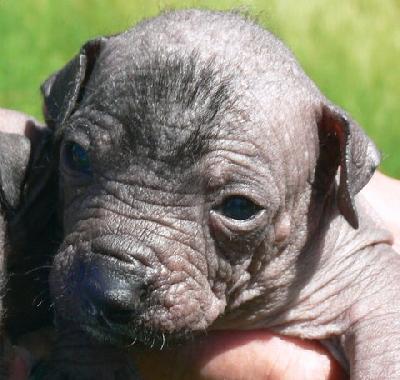
5.Xoloitzcuintli 


- Also referred to as the Mexican Hairless, the Xoloitzcuintli is one of the rarest and oldest breeds in the world. Dating back over 3,000 years, the Xoloitzcuintli were highly prized for their healing and magical powers. Aztec Indians found this breed useful as bed warmers, and were considered sacred. Once in danger of extinction, this breed was revived and today makes a cherished companion


- The Xoloitzcuintli comes in two varieties: Hairless and Coated. The Hairless only possesses a short tuft of hair on the head and tail. The skin is smooth, soft, and sufficiently hardy to withstand the elements. The Coated variety has a full coat of hair that is short, sleek, and glossy. The Xoloitzcuintli breed is non-shedding and odorless.


- The most distinctive feature of the Xoloitzcuintli breed is the upright, large bat-like ears which provide acutely keen hearing. A primitive breed, the Xoloitzcuintli is hardy, well-built, extremely agile, and elegant.


- The Xoloitzcuintli breed is affectionate, loving, intelligent, and devoted. They are highly protective of their family, home, and territory. This breed is not recommended for first time dog owners. The Xoloitzcuintli typically do not bark. Instead, they emit a howl to alert their family to danger. They do best in a home with older considerate children and dogs they have been raised with. They may be aggressive toward dogs they do not know. The Xoloitzcuintli is a sensitive and emotional breed that demands an inordinate amount of attention. They will become destructive if left alone for extended periods of time, and are prone todigestive problems and neurotic behavior if they become stressed.


- Xoloitzcuintli’s are not suited for cold climates, and requires a sweater in cooler temperatures. The health of the skin is extremely important. Only bathe this breed when absolutely necessary, as over bathing can harm the skin. While it is also important to use lotion and sunscreen on the Hairless variety, caution must be exercised. Too much lotion or sunscreen results in clogged pores and acne. The Coated variety of this breed requires very minimal brushing. The Xoloitzcuintli is prone to such health issues as early tooth loss, allergies to food, skin infection, and drug sensitivity.


- Early and intense socialization is an absolute must. The Xoloitzcuintli breed is quick to learn but requires a dominant handler. It is imperative that training be done with respect, love, firmness, fairness, and consistency. The Xoloitzcuintli excels in agility, obedience, and as service and therapy dogs.


- Xoloitzcuintli’s are well suited for apartment living. They are relatively inactive and enjoy going for securely leashed walks, sunbathing in a securely fenced yard, and spending time with their family. It is important that during any outdoor activity this breed is appropriately covered for the climate.


6. the Norwegian Lundehund


Other names Norsk Lundehund


Norwegian Puffin Dog

Lundehund

Country Norway

Breed Group: Not Akc Recognized

Weight: Male: 15.5; Female: 13.5 lbs

Height: Male: 13-15; Female: 12-14 inches

Color(s): White, reddish brown, gray, black, yellow, sable and white.

Life expectancy 12-14 years

Litter size 2-3


Norwegian Lundehund History


That Norwegian Lundehund carries a long history. It absolutely was believed that this specific dog has descended in the Ur hund, that breed of canines that survived that 3rd Ice Era. These dogs which inhabit the Lofoten Islands could actually survive as these kinds of islands were ice-free in the 3rd Ice Era. Both the Lundenhund and also the fossilized dog (Varanger dog) within the Lapland, Russia has one particular less tooth to the either side in the jaw. These dogs own hunted puffins since far back as 1600 to the rocky crevices regarding steep cliffs which dotted the shorelines in the Veroy, Vaerog in addition to Rost islands regarding northern Norway. Interest for any breed declined when new options for hunting puffins were invented plus a dog tax appeared to be created. Around 1900, we were holding only found from the isolated village regarding Mostad, Lofoten. The breed appeared to be nearly extinct all-around World War II whenever canine distemper struck very and also the surrounding islands. Within 1963, the society was further decimated through distemper again. This time around, only 6 canines survived, creating any population bottleneck. Thanks to careful breeding by using strict guidelines, these day there are an estimated 1500-2000 dogs on the earth, with around 1100 in the population in Norwegian and ~350 in the nation.


Norwegian Lundehund Description


The Norwegian Lundehund is definitely unusual breed. It offers six toes on every foot, four in entry and two in a back corner, all of them jointed in addition to muscled. It has a great range in its forelegs, incredibly similar human elbows, allowing it to contort them to suit into small spaces. There are joints in the neck that allows 180-degree rotation (the mind can lay back contrary to the spine). The ears are pricked and may be folded either onward or backward. The mind is small and wedge-shaped, that brown eyes are deep-set. That legs are strong, the hindquarters well muscled for agility instead of speed. The tail might be either pendant or carried slightly rolled in the back. Doublecoated, the topcoat lies flat contrary to the body. Colors vary through reddish-brown to black, almost all with white markings, in addition to or white with bluish markings.


Norwegian Lundehund Temperament


Norwegian Lundehunds are helpful and love people. It isn’t aggressive and will curl up with people or additional dogs for hours. They adore to play and will delight in long sessions of the idea. Curious, they are prepared to explore the world. This breed is intelligent and may be trained for agility. Because the Norwegian Lundehunds very exclusive characteristics, it makes an excellent hunter. Its six feet on each foot, which includes two dewclaws, allow your dog to climb steep locations, the extra joints from the nape of the neck of the guitar, allow the dog to be able to turn its head in the 180-degree angle, it has extremely accommodating shoulder joints and it has the ears have mobility which other dogs wouldn’t have. Consistent crate training is actually mandatory. A doggy door may need to be used. The Norwegian Lundehund is somewhat primitive and may be extremely difficult to be able to housebreak. Some owners state they never do obtain their Norwegian Norwegian Lundehunds housebroken. One of the keys is thinking two steps before a puppy who should pee. From having several puppies in my residence, I know that offering a puppy the run in the house is just trying for disaster. If you’re not necessarily watching him, he’s within his crate or outdoor. Crate training works well using this type of primitive breed, because they still have got a strong den instinct.


Norwegian Lundehund Care


This breed is not hard to groom because there are a short easy to be able to care coat. Bathing is the answer once or twice per year. The dog should be brushed regularly utilizing a firm bristle brush. Lundehunds tend to be heavy shedders. The dog needs to be brushed regularly to remove dead hair in order to accelerate the shedding method.

Apart from the total booster shots these dogs might need to be taken to any veterinary facility every half a year for fecal and protein levels tests. This is to eliminate the occurrence of that Lundehund syndrome.


Norwegian Lundehund Grooming


The Lundehund sheds greatly, so comb and brush fairly often with a firm bristle wash. Do not bathe with the exception when necessary – dry shampoo is better at those times.


Norwegian Lundehund Training


The Norwegian Lundehund is actually stubborn, willful, manipulative, in addition to obstinate. Early socialization in addition to basic obedience is advised. This breed is highly difficult to housebreak. The crate training method is immensely important, although some Lundehunds may perhaps never be completely housebroken. Training needs to be done with firmness, justness, and consistency.


The Atlanta Journal Constitution reports that the Westminster Kennel Club Dog Show is the oldest American sporting competition next to the Kentucky Derby.